DEMONSTRATION SITE

Sample identity, styles and imagery · no live supplier claims

NEXUS MFG

APPAREL OEM / ODM · SAMPLE 08

Good garments
begin with good questions.

A clothing project is more than a style and a unit price. Fit, fabric, colour, size mix and branding all have to agree before the order makes sense.

OEM · ODM · PRIVATE LABELFROM REFERENCE TO APPROVED SAMPLE
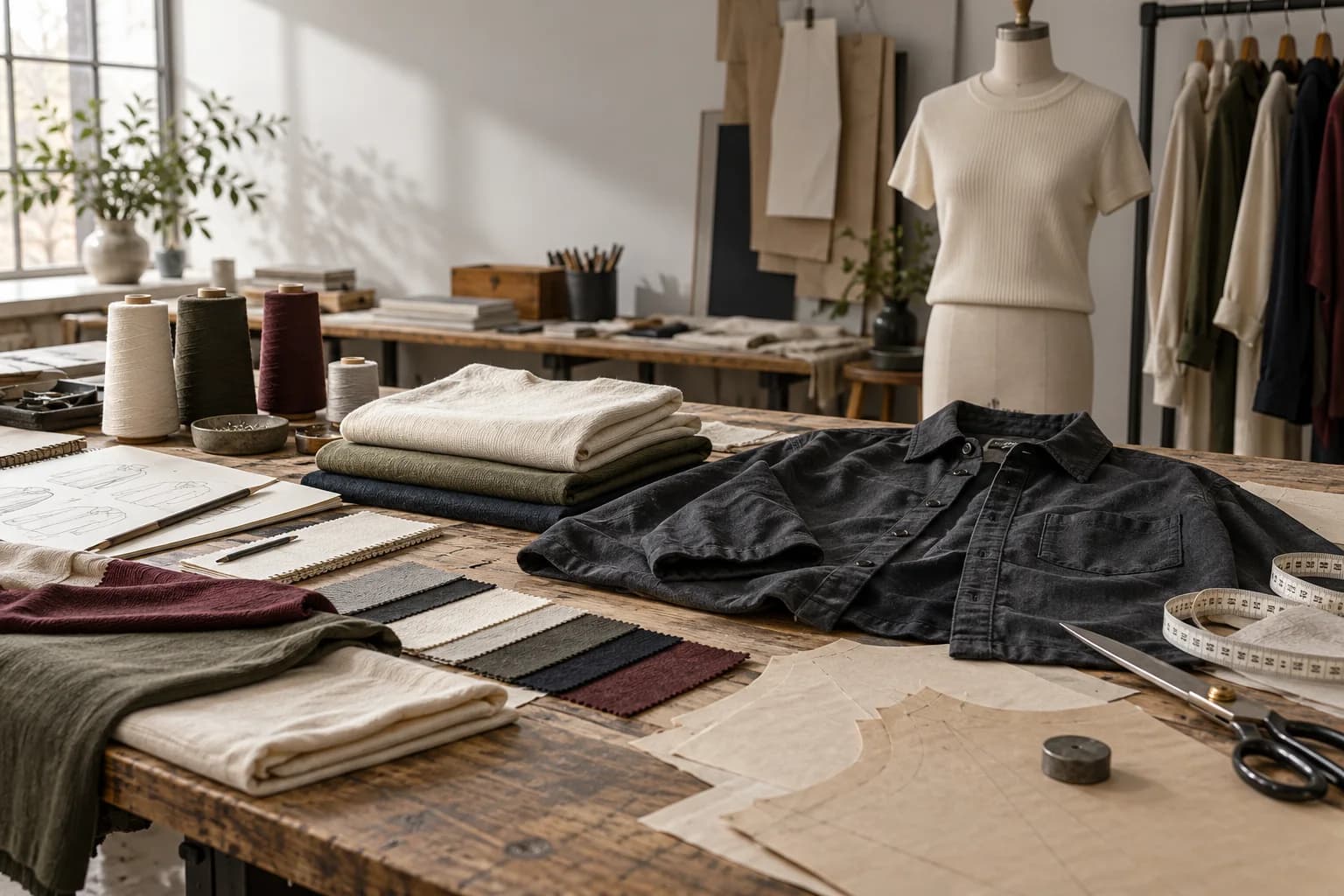
Illustrative apparel development studio with sample garments, fabrics and pattern piecesILLUSTRATIVE DEVELOPMENT SCENE
01 / MATERIAL STUDYTouch, weight, drape.
Then decide what fits.
T / 08
Who is this for?Brands, importers, wholesalers and uniform buyers
What can you start with?A tech pack, sample, sketch or product idea
What happens next?A person reviews the scope before price or timing

START FROM YOUR BUYING SITUATION

Three projects.
Three different first briefs.

A new label does not buy like a wholesaler, and a uniform order is not a fashion drop. Choose the path closest to yours.

01 / BUYER PATH

Building a collection

You have a design direction, references or a tech pack. Keep fit, fabric, trims and brand details together while the first sample takes shape.

  • Tech pack or reference
  • Fit and fabric direction
  • Artwork, labels and packaging
Start a brand brief
02 / BUYER PATH

Buying a repeat range

You know the styles and need a clear assortment by colour, size and order quantity before discussing supply.

  • Style list or previous spec
  • Quantity by colour and size
  • Market and delivery window
Plan a repeat order
03 / BUYER PATH

Outfitting a team

You are buying for staff, clubs or an event. The size matrix, logo placement and delivery split matter as much as the garment.

  • Role and garment list
  • Wearer count and size matrix
  • Logo, delivery split and date
Brief a uniform project

STYLE DIRECTORY / SAMPLE RANGE

A starting point,
not a stock list.

Browse 12 illustrative styles across tees, shirts, womenswear, outerwear, activewear, lounge and kidswear. Uniform projects can start from the separate project route.

View all 12 sample styles

Style names, garment drawings and colour chips are illustrative. No material specification or available stock is implied.

DEVELOPMENT / 4 DECISIONS BEFORE PRODUCTION

The sample is where
details become real.

Make decisions in sequence. Approve a physical reference before anyone treats the bulk order as settled.

See the development path
01

Brief the garment

Start with a style, reference, sketch or tech pack. Mark what is decided and what is still open.

02

Review fabric and construction

Confirm composition, weight, finish, trims and any decoration against the intended use.

03

Develop the sample

Agree the sample scope and review fit, measurements, workmanship and artwork placement.

04

Approve the production reference

Record the agreed sample, size chart, colour, artwork, labels and packing instructions as one version.

WHAT CHANGES THE GARMENT

The useful details
are the ones you can approve.

A product page should make the decisions visible. It should not pretend every style uses the same fabric, sizing or decoration.

01

Fabric & hand feel

Composition, weight, surface, drape and finish. The chosen fabric should be recorded against the sample.

02

Fit & size matrix

Reference measurements, grading, size labels and quantities by colour and size.

03

Branding & finish

Print, embroidery, woven labels, trims and retail packaging—confirmed with actual artwork.

04

Evidence & handover

Product documents, inspection notes and packing details belong to the exact style and order.

QUALITY / DOCUMENTS / MARKET

Trust is built from
evidence with a clear scope.

Ask what was tested, which product it covers, and whether the document is current. A logo alone cannot answer those questions.

See what to verify

HAVE A STYLE IN MIND?

Start with what you know.
We will leave the rest visible.

Add the garment, market and quantity plan. Details you have not decided can stay open.

Build the project brief